Submarines
Machinery spaces, fuel and hydraulic circuits, enclosed compartments and essential services. Integration considers atmosphere management, available space, independent power and the vessel’s signature requirements.
 OCEAN
AUTONOMOUS FIRE SAFETY SYSTEM
Real-time monitoring. Autonomous response.
Rapid isolation of damaged pipelines.
DEVELOPED BY OCEAN SUBMARINE
The impact is only the beginning.
Containment must follow immediately.
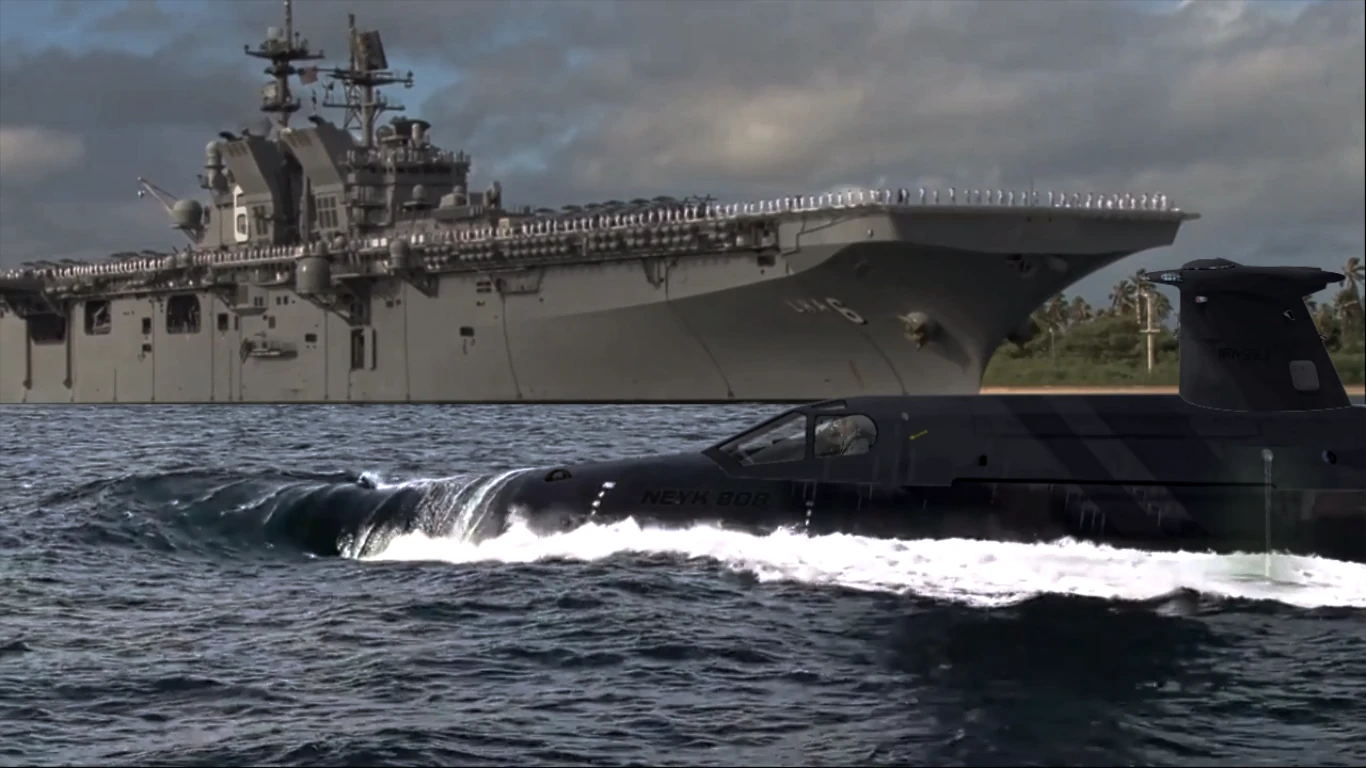
Ocean Submarine has developed an autonomous fire safety system for submarines and naval vessels, designed to limit the secondary damage that can follow missile, torpedo and unmanned-drone attacks.
Damaged fuel and hydraulic circuits can turn a local incident into spreading fire, secondary explosions and loss of essential systems. Our approach brings continuous thermal monitoring together with autonomous pipeline isolation to address that escalation at its source.
The objective is clear: improve crew protection, contain damage and preserve essential platform functions when the operational environment is most demanding.
Explore the response sequence ↗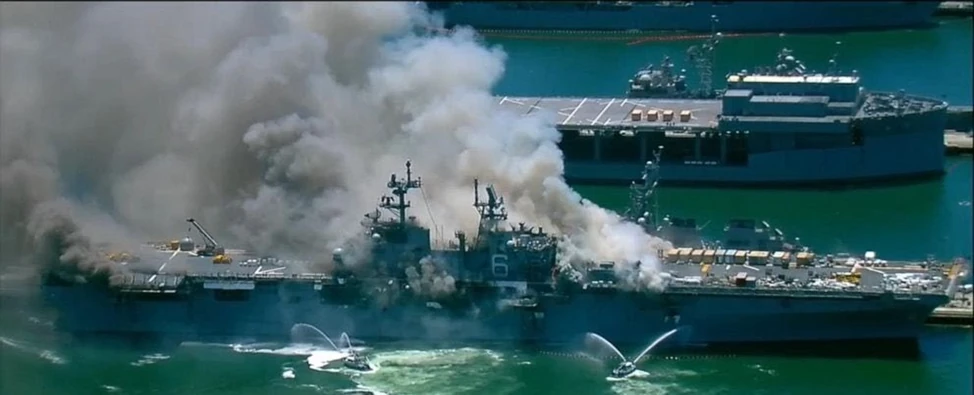
MISSILES / TORPEDOES / UNMANNED THREATS
A ruptured circuit. A continuing leak. A fire that spreads.
The system is designed to interrupt this sequence through rapid detection and isolation.
Explore the four connected stages
of the autonomous response design.
RESPONSE STAGE / 01
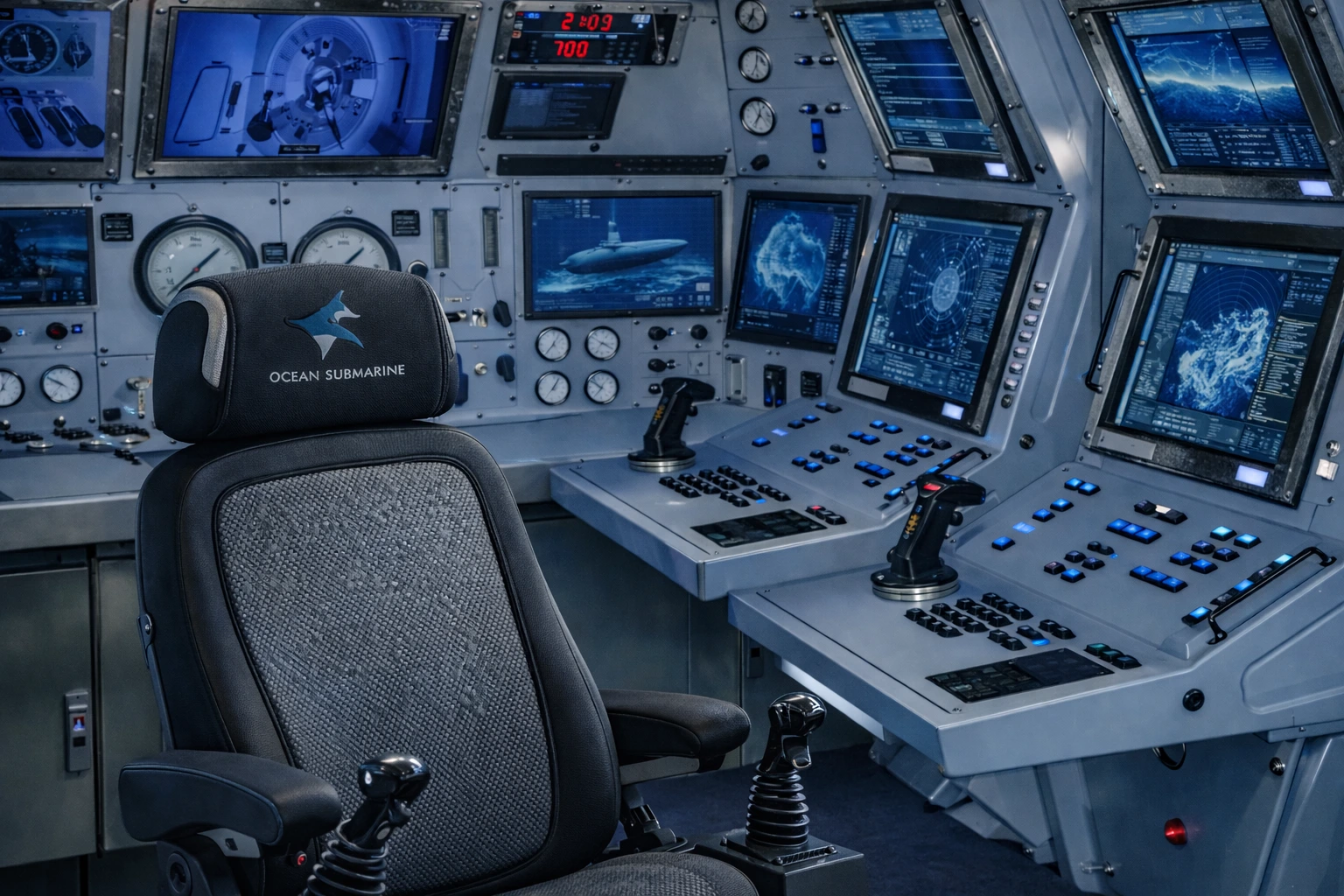
Infrared cameras and thermal sensors continuously monitor machinery spaces, pipelines and other critical zones. The sensor architecture is intended to build a real-time picture of changing conditions around the installation.
THE CONTAINMENT DESIGN
Thermal awareness meets rapid intervention.
Ocean Submarine’s pipeline-isolation design uses a high-pressure nitrogen–water injection arrangement intended to form a local ice seal within an affected circuit. The aim is to stop the release of flammable media and limit the conditions that allow fire to spread.
Local control units, monitoring interfaces and modular containment equipment are configured around the vessel’s machinery, damage-control architecture and safety requirements.
Performance depends on the medium, pipeline geometry, temperature, pressure and installation. Platform-specific testing defines the operating envelope.
Configure protection around
the platform and its critical systems.
Machinery spaces, fuel and hydraulic circuits, enclosed compartments and essential services. Integration considers atmosphere management, available space, independent power and the vessel’s signature requirements.
Frigates, destroyers, corvettes and larger naval platforms. Distributed monitoring and local isolation are intended to limit the spread of damage between critical zones.
Offshore platforms, fuel installations and other high-value infrastructure. The same focus on early detection and leak isolation can be developed around industrial operating requirements.
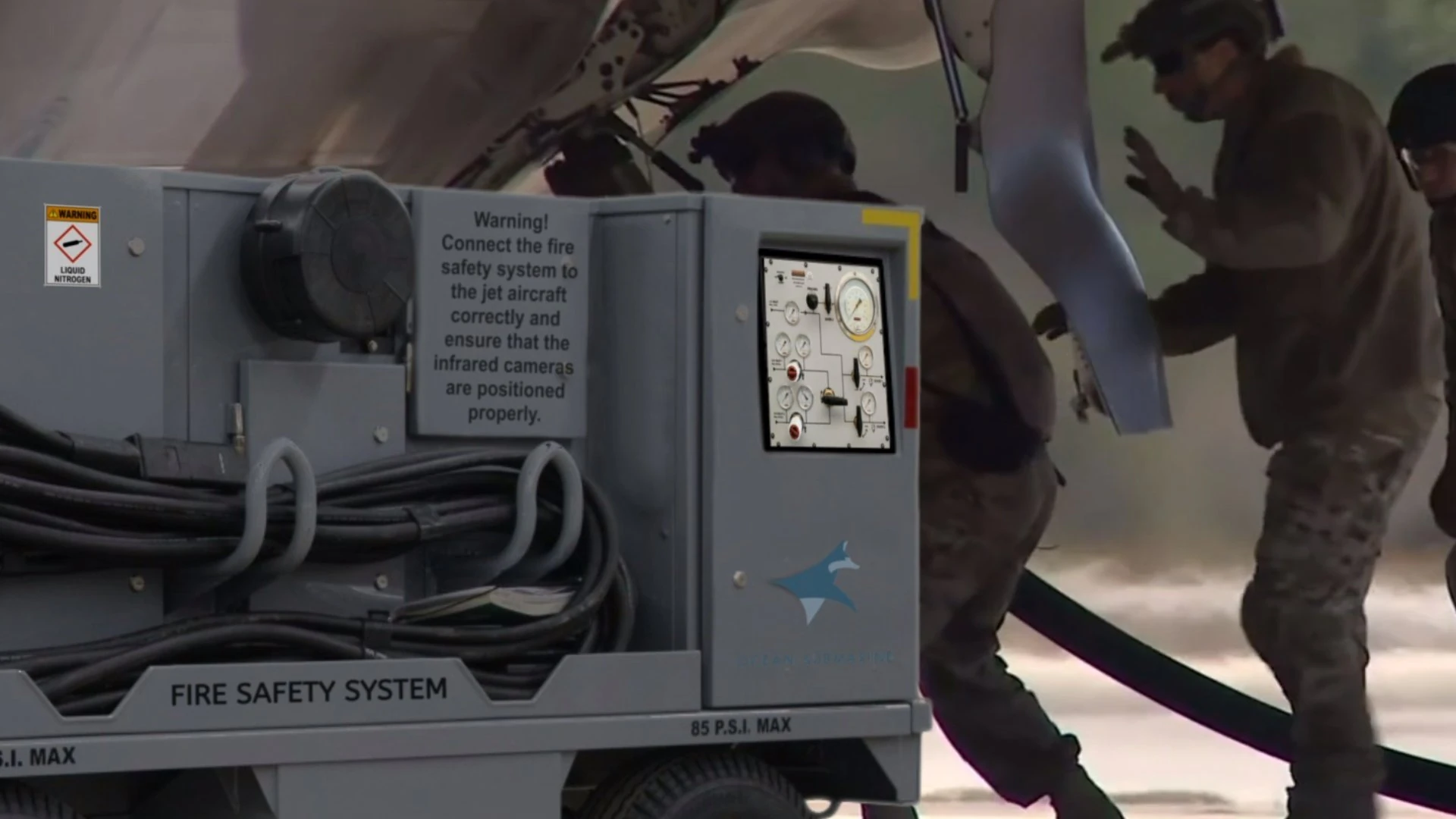
MODULAR DEPLOYMENT
Ocean Submarine also describes a mobile containment configuration for high-value military assets, including aircraft on the ground. Its modular approach extends the focus on fuel-flow isolation to forward operating locations and support infrastructure.
Discuss an application ↗Watch the two company presentations
on fire safety and platform protection.
FROM REQUIREMENT TO INTEGRATION
Discuss autonomous fire safety for a submarine, naval vessel or critical installation. Ocean Submarine can present the system design, integration approach and development requirements for your programme.
Request a technical briefing ↗info@oceansubmarine.com ↗MARTIN VAN EIJK
CEO / Ocean Submarine